
01The compound
What hemp's best-known compound actually is
The hemp plant produces dozens of botanical compounds. One of them — its primary non-intoxicating cannabinoid — has become among the most researched plant compounds of the past decade, studied in randomized human trials for sleep, everyday calm, and post-exercise recovery.
Harvard Health Publishing's review of the research notes that studies suggest the compound may help support calm and more restful sleep, that it does not produce a high, and that a World Health Organization report found no signs of abuse or dependence potential.[7] That is where the literature starts — non-intoxicating, well tolerated in studies, and worth reading carefully rather than taking on faith.
02Sleep
Sleep, measured at scale
The largest trial to date randomized 1,793 adults across hemp cannabinoid formulations and a melatonin comparison for four weeks. Participants taking the cannabinoid formulation reported improved sleep-disturbance scores comparable to melatonin, and every formulation in the study showed a favorable safety profile.[1]
Sleep architecture has been measured too. In a placebo-controlled randomized crossover study, a cannabinoid-and-terpene formulation modestly increased restorative sleep — the slow-wave and REM stages — over four weeks, with the largest gains in participants who started with the least restorative sleep.[3]
A smaller placebo-controlled pilot found that adults taking nightly servings reported greater well-being and showed modestly better measured sleep efficiency — though on several other sleep measures the compound did not separate from placebo.[4] We report that detail because it's true, and because a reader who knows the limits of the evidence can trust the rest of it.

03Calm
Calm, under controlled stress
In a double-blind, placebo-controlled trial, 57 healthy adults gave a speech to a camera — a standard laboratory stressor. Those who took a single 300 mg serving of the compound beforehand rated themselves significantly calmer during the task than the placebo group. Notably, only that middle amount worked; smaller and larger servings did not separate from placebo — a bell-shaped detail most marketing skips.[5]
Outside the lab, a published case series followed 72 adults at an outpatient clinic taking small daily servings alongside their usual care. Within the first month, 79.2% recorded calmer scores and 66.7% recorded better sleep scores.[2] A case series has no placebo group, so we weight it accordingly — but the direction matches the controlled work.
And when researchers surveyed 387 people about why they actually use it, the top answers were everyday stress, restless nights, and general wellbeing — with most respondents reporting they felt calmer.[6]
04Recovery
Recovery, after hard training
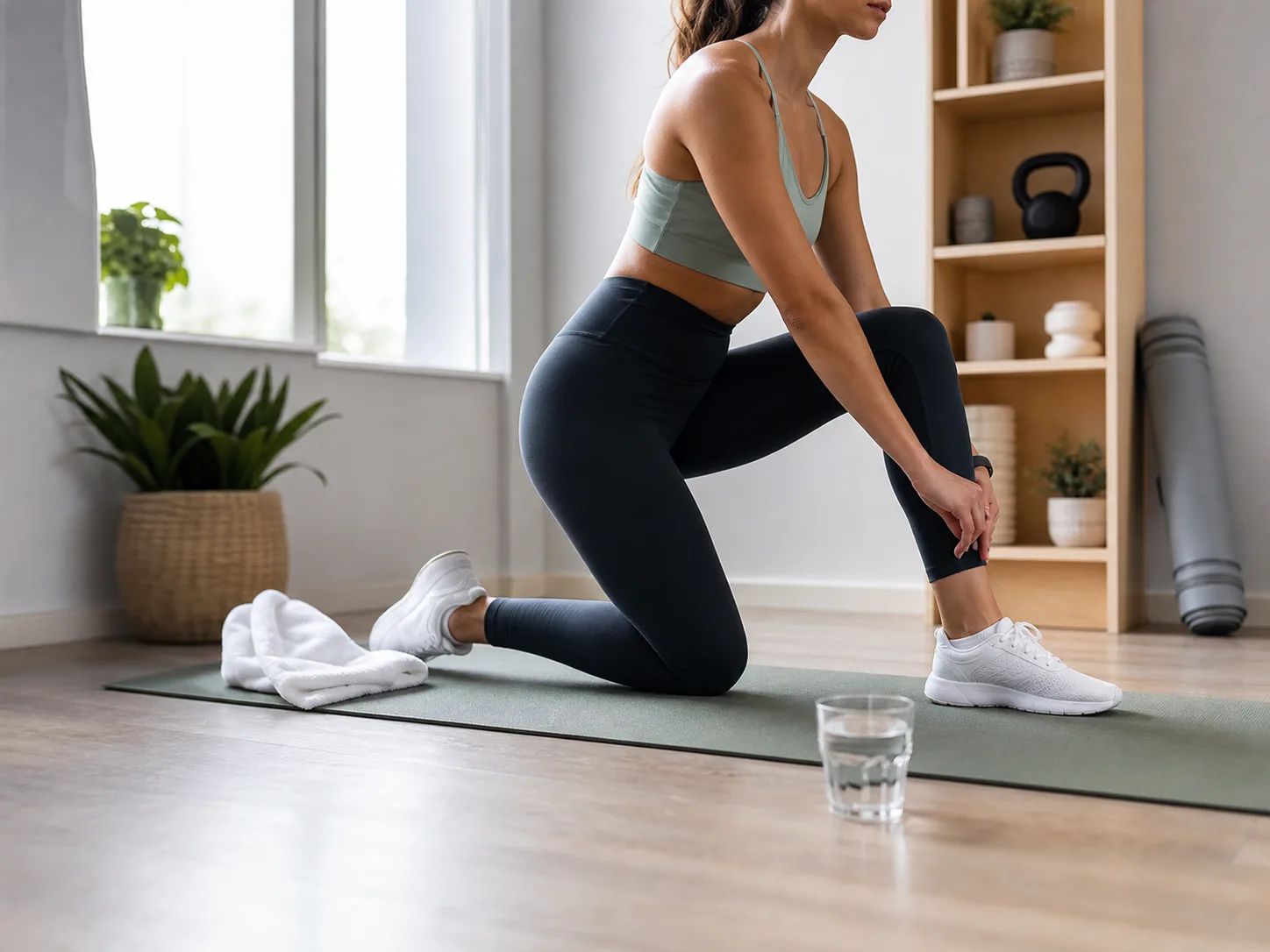
In a randomized, double-blind, placebo-controlled pilot study, 40 exercise-trained adults worked their muscles to soreness, then drank a hemp-cannabinoid recovery beverage twice daily. The cannabinoid group reported less soreness at 72 hours and meaningfully less interference with daily activities at 48 hours, with a favorable safety profile.[8] One honest caveat: the beverage also contained amino acids and magnesium, so the compound wasn't tested alone.
A 2024 systematic review pooled seven controlled studies in healthy, physically active adults and found emerging evidence of limited beneficial effects on physiological measures, with good tolerability across studies.[10] Sports scientists at the University of Sydney reached a similar conclusion: the properties are plausible and worth studying, the sport-specific trials are still few — and the compound is permitted for athletes under World Anti-Doping Agency rules.[9]
05Skin
Skin, at the cellular level
Laboratory research published in the Journal of Clinical Investigation found that the compound helped regulate oil production and quieted reactive signaling in cultured human skin cells.[11] That is a cell study, not a human trial — mechanism research, and we label it as such.
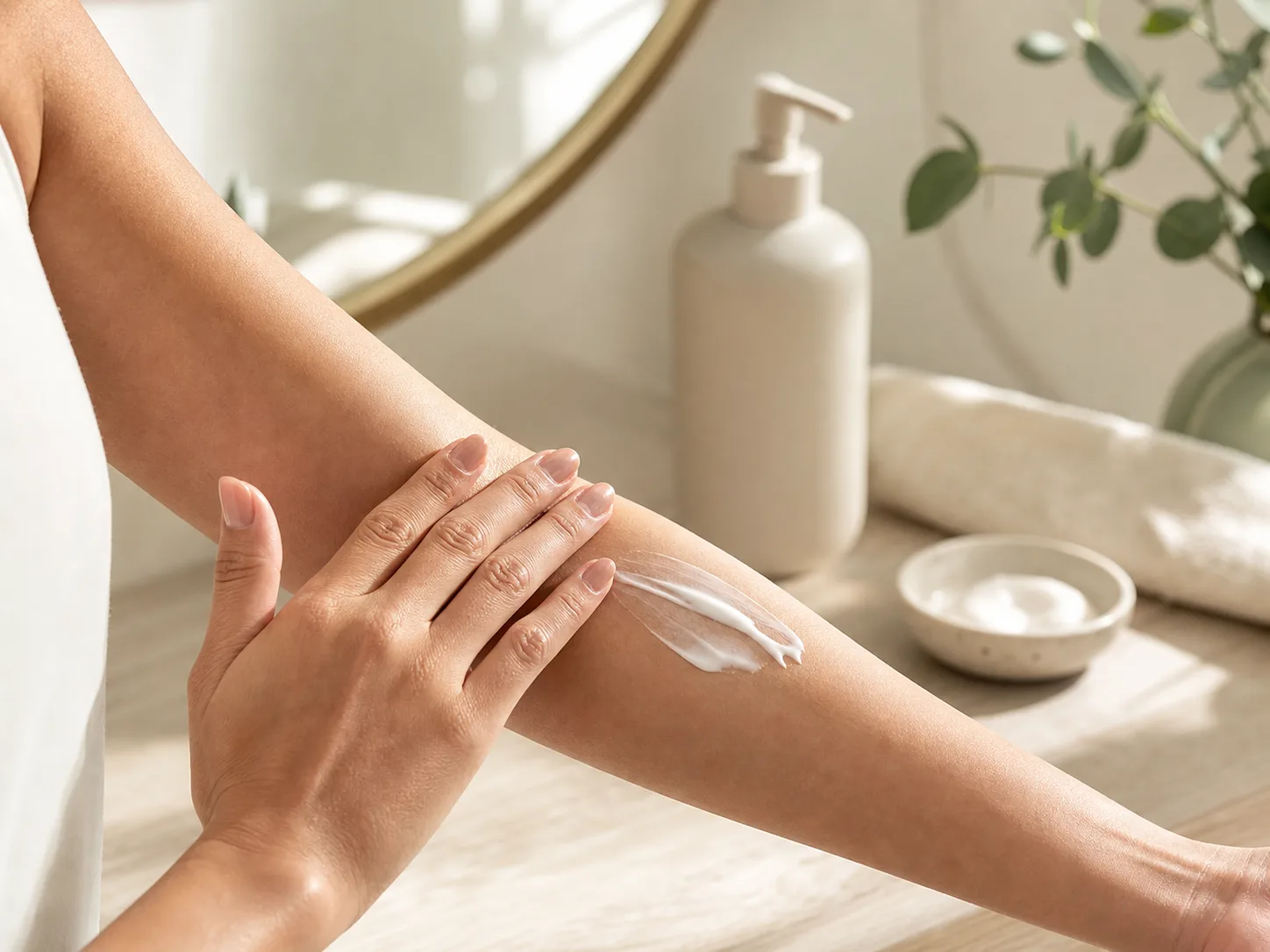
A 2025 comprehensive review of topical applications reached a consistent picture: antioxidant activity, support for the skin's moisture retention, and a balancing role mediated through receptors the skin already has — while noting that clinical skincare trials remain limited and more are needed.[12]
06How we grade it
Reading the evidence honestly
Not all studies carry the same weight, and we don't pretend they do. Here is how the sources on this page sort: